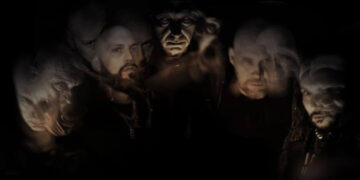
Century Media Records – February 6, 2026
Forty years into their existence, Mayhem no longer need to prove anything – and Liturgy of Death makes that painfully clear. This is not an album concerned with legacy polishing, nostalgia, or accessibility. Instead, it feels like a deliberate reaffirmation of what Mayhem have always represented: extremity as discipline, darkness as intent, and black metal as a living, evolving force rather than a frozen ideology.
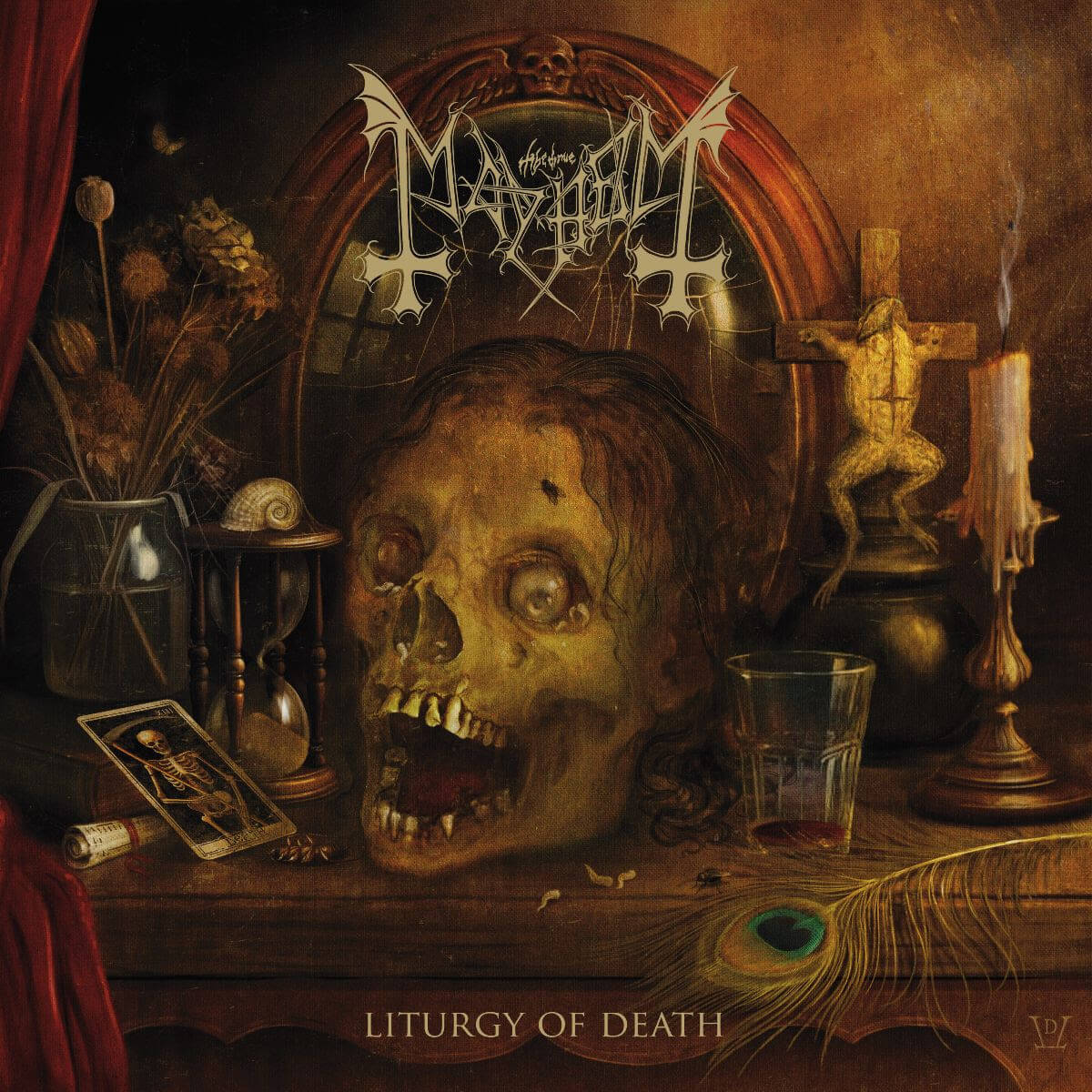
“Liturgy of Death”
Following the razor-sharp precision of Daemon, Liturgy of Death leans further into a sense of ritualized violence. It is colder, more austere, and noticeably less theatrical – stripping away excess in favor of suffocating atmosphere and relentless momentum. Where Daemon felt surgical, Liturgy of Death feels oppressive, almost monolithic in its construction.
Liturgy of Death Tracklist:
1. Ephemeral Eternity
2. Despair
3. Weep for Nothing
4. Aeon’s End
5. Funeral of Existence
6. Realm of Endless Misery
7. Propitious Death
8. The Sentence of Absolution
9. Life Is a Corpse You Drag (Bonus Track)
10. Sancta Mendacia (Bonus Track)
Songwriting and Atmosphere
From the opening “Ephemeral Eternity,” Mayhem establish a tone that is both merciless and controlled. The songwriting favors long-form structures, repetition as hypnosis, and tension over immediate impact. Riffs are not designed to hook – they grind, coil, and erode. Tracks like “Aeon’s End” and “Funeral of Existence” unfold slowly, rewarding patient listening while punishing casual engagement.
“Realm of Endless Misery” and “Propitious Death” highlight the band’s continued fascination with dynamics within extremity. Blastbeats give way to cavernous mid-tempos, dissonant guitar layers expand and collapse, and silence is used as a weapon rather than a break. This is black metal that breathes – but only to suffocate again.
The album’s pacing is deliberate and unyielding. There is no obvious single, no moment of relief, and no concession to modern listening habits. Even the bonus tracks, “Life Is a Corpse You Drag” and “Sancta Mendacia,” feel integral rather than supplemental, reinforcing the album’s nihilistic worldview rather than softening it.
Performance and Production
Hellhammer remains one of extreme metal’s most authoritative drummers. His performance on Liturgy of Death is less about speed and more about pressure – every blastbeat feels weighted, every transition intentional. Necrobutcher’s bass work, often understated, adds depth and gravity, anchoring the chaos with an almost ritual pulse.
Guitars from Ghul and Morten Iversen are dense and antagonistic, layered to create a sense of spatial disorientation rather than melodic clarity. This is not riff-forward black metal; it is texture-driven, designed to overwhelm rather than impress.
Attila Csihar delivers one of his most restrained yet unsettling vocal performances in years. His presence is spectral, distant, and inhuman – less narrator, more manifestation. He does not dominate the mix; he haunts it.
The production is raw without being primitive. Every element is audible, yet nothing feels polished. The sound design reinforces claustrophobia, avoiding modern sheen while maintaining enough clarity to let the album’s complex structures reveal themselves over repeated listens.
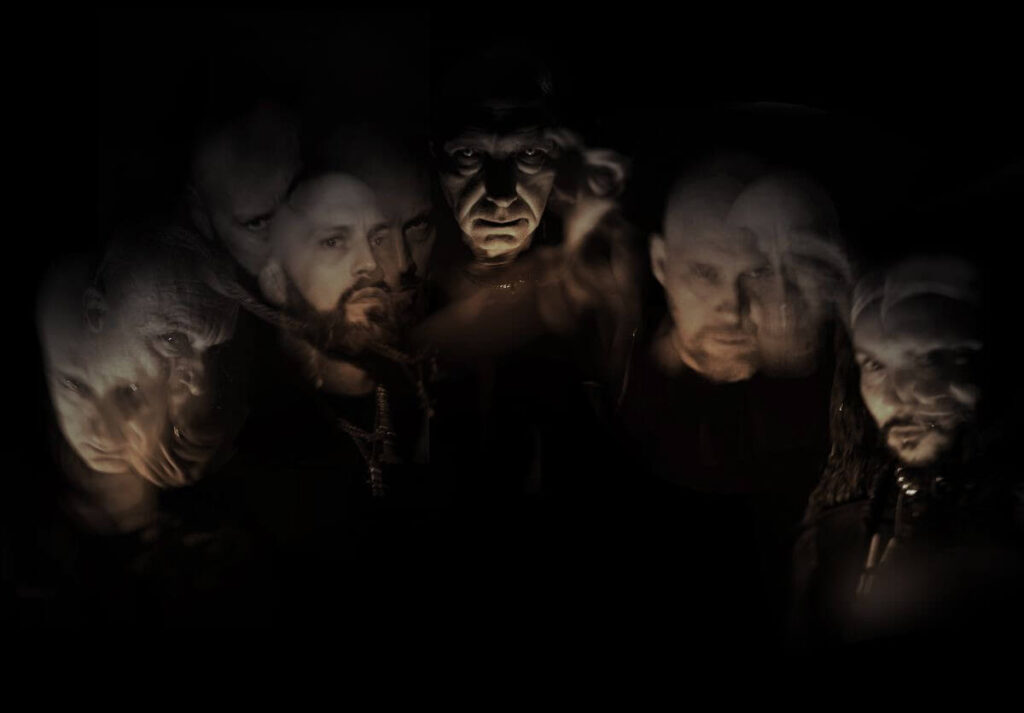
Themes and Identity
Lyrically, Liturgy of Death is existential, bleak, and uncompromising. Rather than shock or provocation, the album explores decay, meaninglessness, and spiritual collapse with cold detachment. Titles like “Weep for Nothing” and “The Sentence of Absolution” reflect an outlook devoid of redemption – not rebellious, but terminal.
What stands out most is how confidently Mayhem inhabit their identity. This is not a band chasing relevance or reacting to trends within black metal’s fractured modern landscape. Instead, Liturgy of Death feels like a declaration of autonomy – a reminder that Mayhem exist outside cycles of revival and decay.
Impact and Legacy
Liturgy of Death will not convert skeptics, nor does it try to. It demands commitment, patience, and a tolerance for discomfort. In return, it offers a deeply immersive experience that reinforces Mayhem’s position not just as pioneers, but as active architects of black metal’s present and future.
Forty-plus years on, Mayhem are not softened by time – they are sharpened by it.
Final Verdict
Liturgy of Death is not a celebration – it is an invocation. Mayhem do not reflect on their past; they weaponize it. This album stands as proof that true extremity does not fade with time – it evolves, condenses, and becomes more lethal.
Mayhem remain untouchable not because they invented black metal – but because they continue to redefine how far it can go.